

Founded in 1884, Lisbon Zoo was the first zoological and botanical park on the Iberian Peninsula, marking the beginning of wildlife conservation in Portugal.
Today, it is home to around 2,000 animals from about 300 species, blending science, education, and family-friendly entertainment in the very heart of Lisbon.
Go around the world in one day: find Sumatran tigers in the Rainforest, observe lions, giraffes, and elephants across the African Savannah, and marvel at the colorful birds of South America. Follow the African route to meet gorillas and chimpanzees, watch pelicans feed between Africa and Asia, search for okapis, and explore Madagascar for lemurs. Enjoy sweeping views from the cable car or unwind aboard the Zoo Train for a relaxed tour of the grounds.
Beyond its role as a leisure destination, Lisbon Zoo stands as a pillar of conservation and education. Each visit directly supports the protection of endangered species and their natural habitats. Its Veterinary Hospital, inaugurated in 2008, was recognized by EAZA as one of the best in Europe — a testament to the zoo’s long-standing dedication to animal welfare.
Let’s explore the highlights and experiences that make this historic park one of Lisbon’s most inspiring attractions.
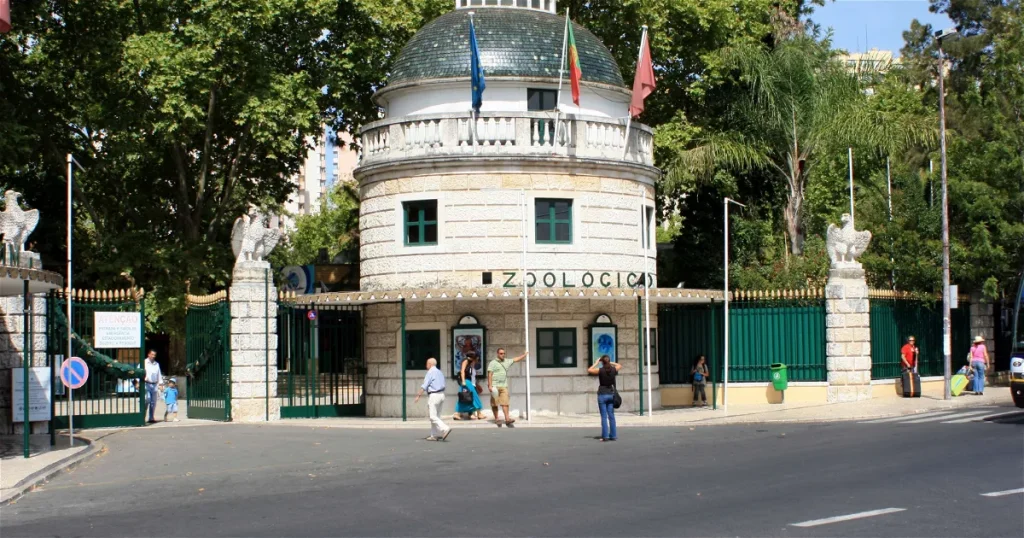
Highlights
Paths
Shaded by tropical vegetation, the zoo’s wide, leafy walkways create a calm and pleasant atmosphere for families. Gentle slopes and open paths make it easy to explore each zone at your own rhythm.
Enclosures
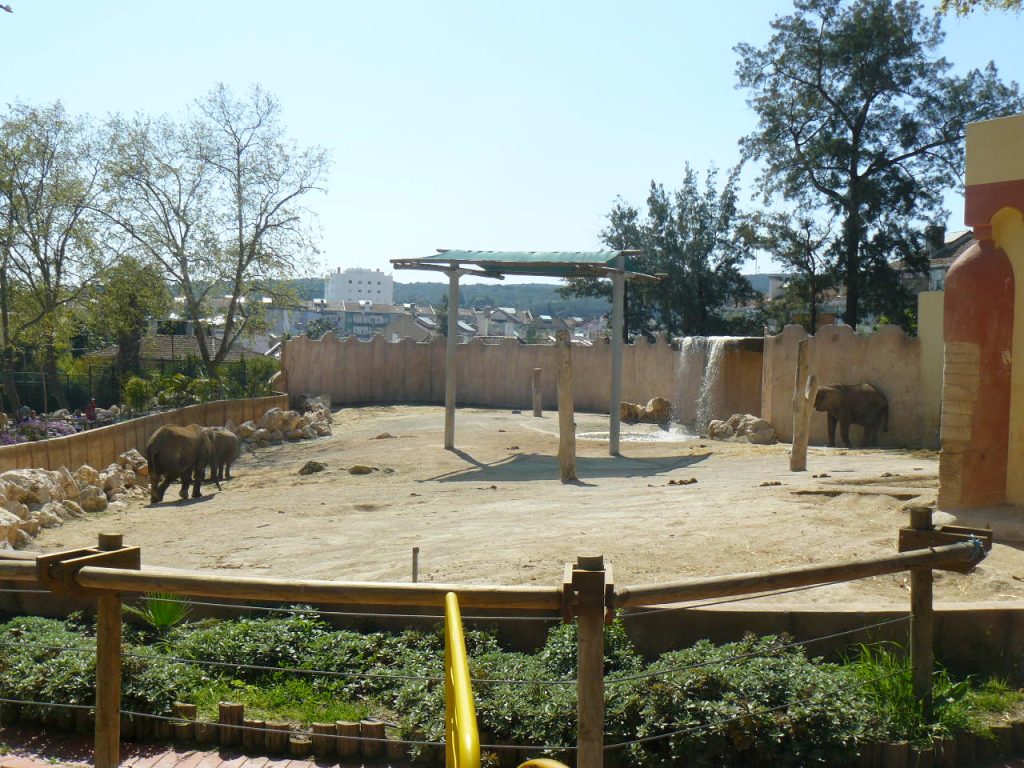
Every enclosure is carefully designed to reproduce the animals’ natural habitats — from the vast African Savannah to the dense greenery of the Rainforest.
The open layout offers excellent viewing points while maintaining distance and comfort for the animals.
VIEWING AREAS
Across several of the zoo’s most popular spaces — including Dolphin Bay, Tiger Valley, and the Primate Temple — glass viewing areas let visitors observe the animals safely and comfortably, without barriers that disrupt the experience.
These transparent enclosures provide an immersive perspective and excellent photo opportunities while maintaining a respectful distance that ensures the animals’ comfort and welfare.
Signage
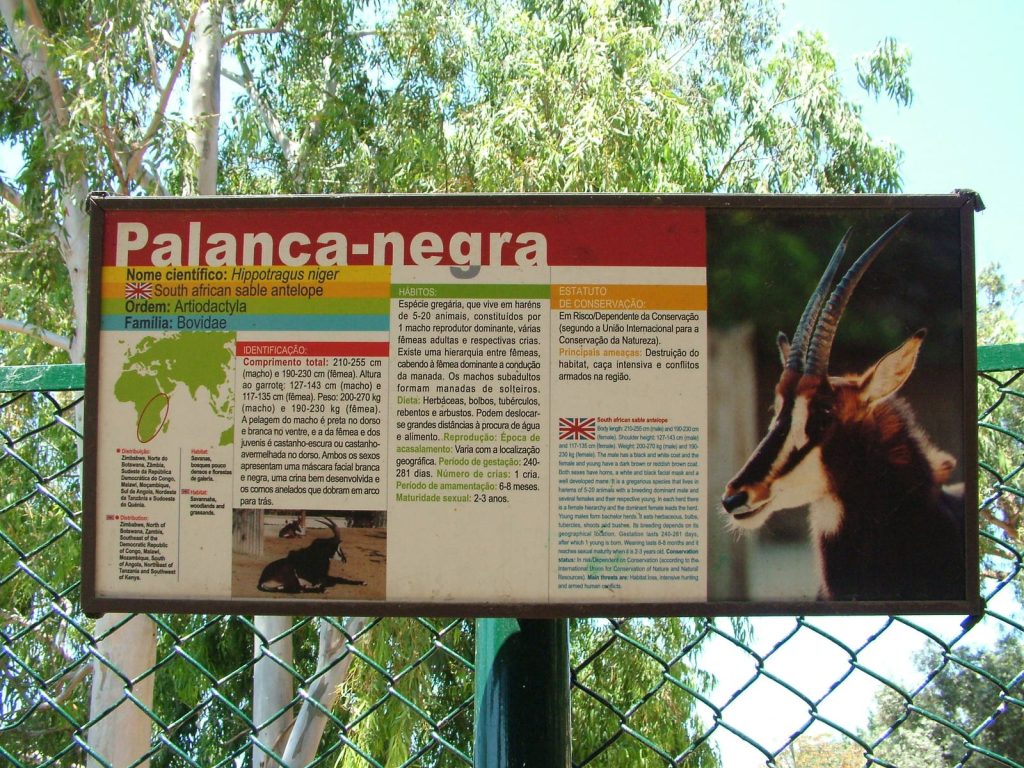
Colorful, well-designed panels throughout the park describe each species, its habitat, diet, and conservation status. The information is presented in multiple languages, combining scientific facts with clear visuals and icons that make learning intuitive for visitors of all ages.
This educational approach turns every enclosure into a small discovery space, inviting guests to learn while observing.
Cleanliness and welcome
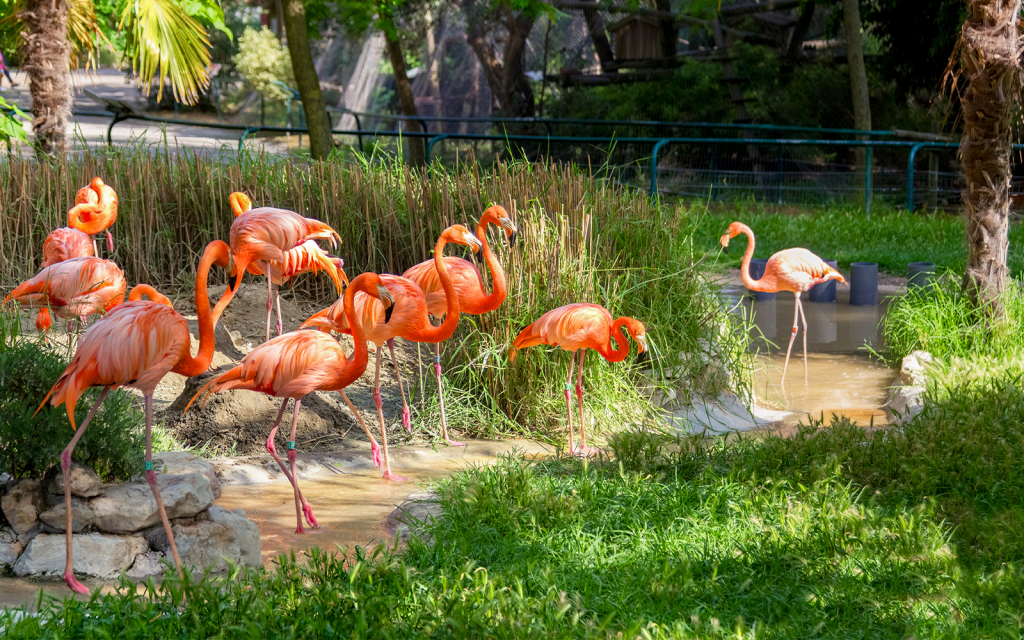
Impeccably maintained and full of greenery, Lisbon Zoo feels like a peaceful sanctuary within the city. The vegetation softens the urban surroundings, and the staff are known for their kindness and genuine dedication to animal welfare.
Animals
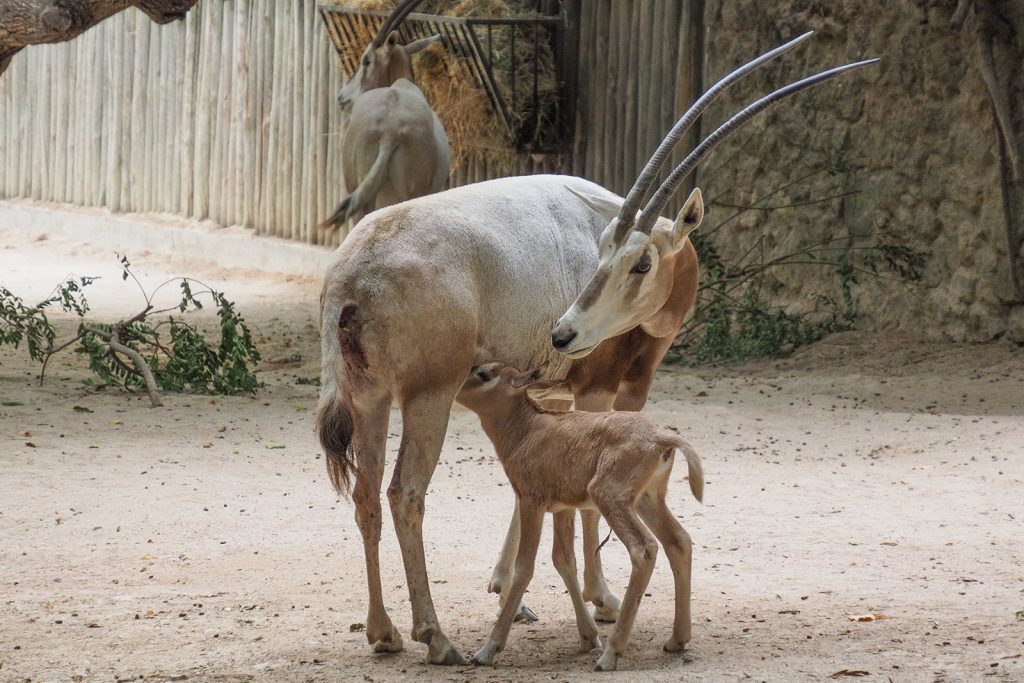
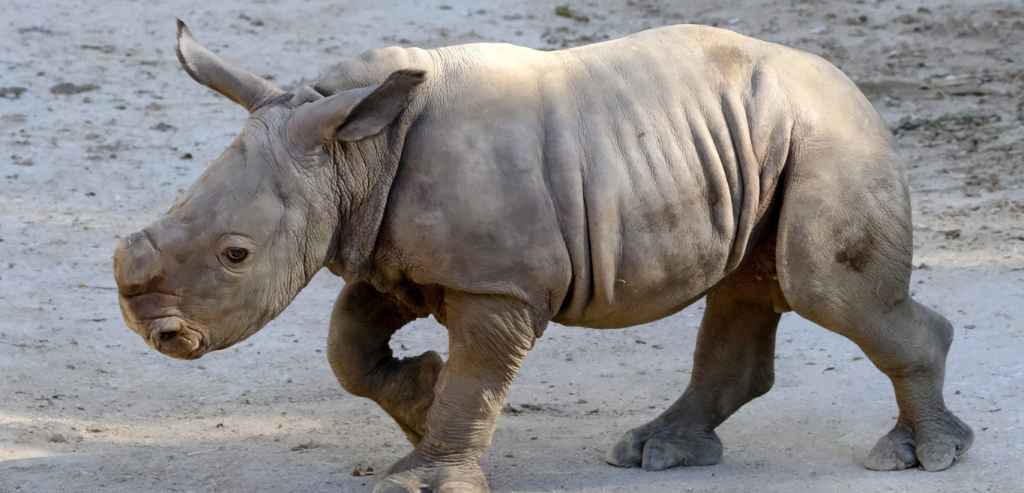
From Sumatran tigers and African lions to okapis, lemurs, red pandas, and white rhinoceroses, every part of the park reveals new encounters. Be sure to stop by the newborn white rhino, born in August 2024 — a hopeful symbol for a species still under threat.
Exclusivities
Tiger Valley
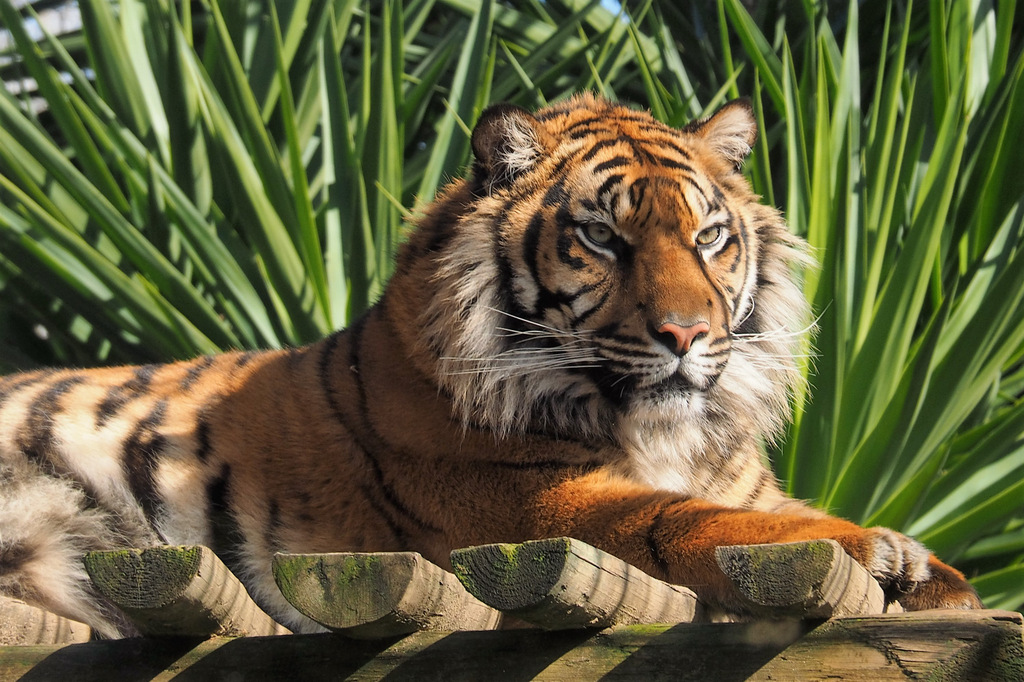
A symbolic space dedicated to awareness and conservation, Tiger Valley includes separate habitats for Siberian and Sumatran tigers, connected by an educational temple. Inside, visitors find eight tall acrylic columns filled with spheres — each representing a tiger subspecies and its remaining wild population. Three empty columns mark the extinction of the Bali, Caspian, and Javan tigers.
Here, visitors learn that only around 6,000 tigers remain in the wild, with the Siberian classified as Endangered and the Sumatran as Critically Endangered. The enclosures offer open spaces with vegetation, trees, ponds, and elevated wooden platforms, separated only by glass and netting to preserve an unobstructed, natural view.
Dolphin Bay

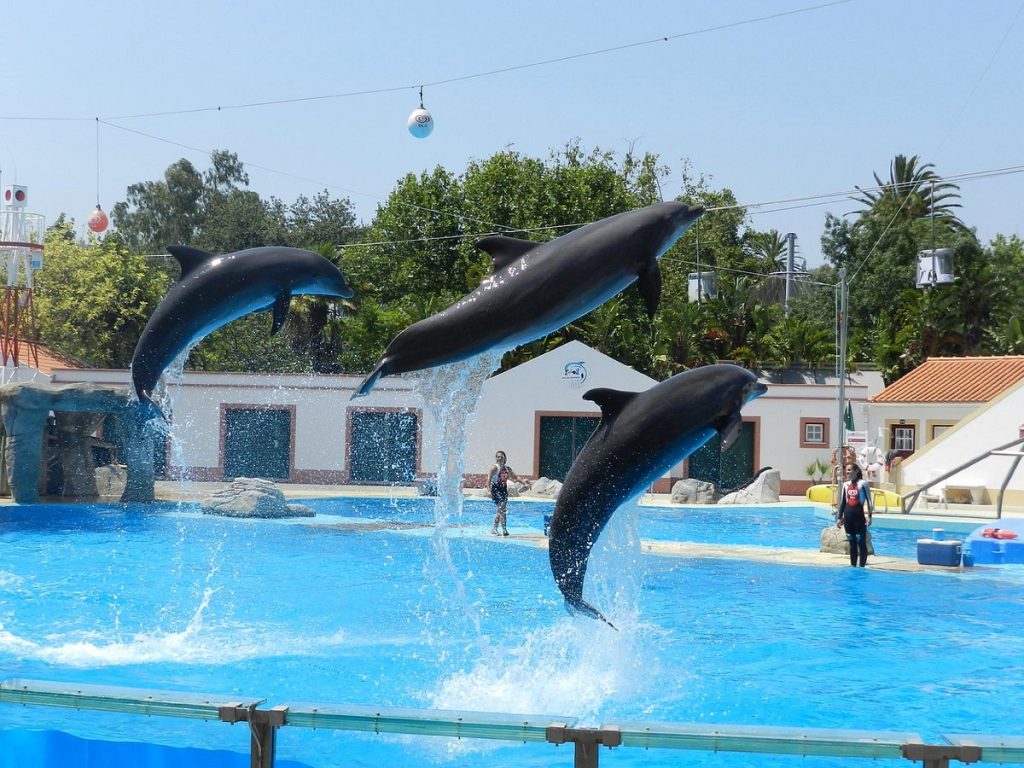
One of Lisbon Zoo’s signature attractions, Dolphin Bay offers a unique underwater presentation that highlights the physical and mental abilities of these “ocean ambassadors.” Through educational demonstrations, visitors learn about the threats facing marine life — especially plastic pollution — and how small changes in behaviour can help protect the oceans.
MEO SAVANNAH
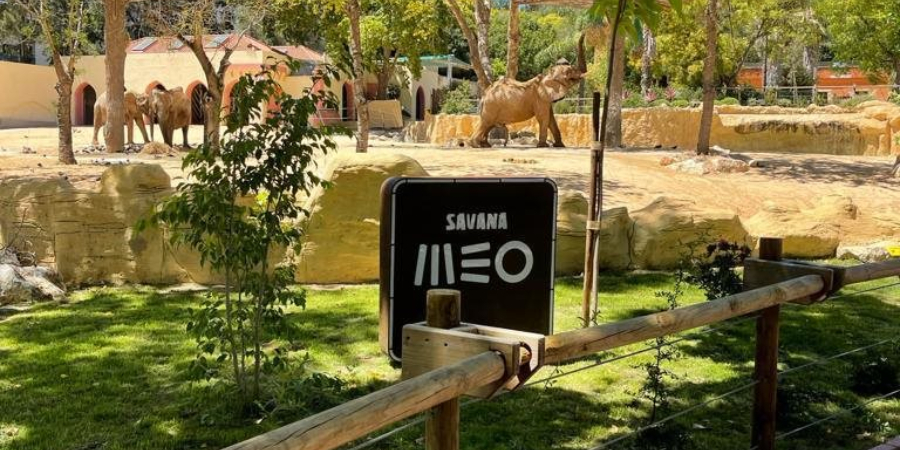
Located in the heart of the zoo, the MEO Savannah celebrates the African bush elephant, a symbol of strength and intelligence in many cultures, while drawing attention to its rapid population decline. The species has shifted from “Vulnerable” to “Endangered” status according to the IUCN, mainly due to poaching and habitat fragmentation.
The vast enclosure is divided into three distinct areas — for giraffes, hippos, and for elephants with nyalas. The naturalistic boundaries between them create the impression that the animals share the same ecosystem, immersing visitors in the vast African savannah.
Inspired by nature, the habitat combines stone structures, sparse vegetation, soft shadows, multiple water points, and varied ground textures such as sand, soil, and pine bark — all designed to stimulate the animals’ natural instincts and enhance their welfare.
Primate Temple
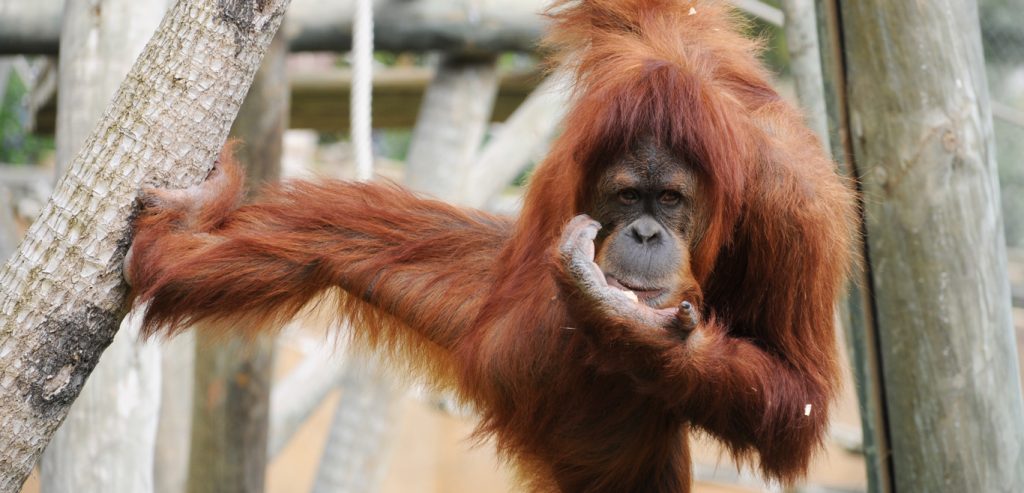
Home to chimpanzees, gorillas, and orangutans, the Primate Temple is one of the most advanced primate facilities in the world. Its design blends waterfalls, lakes, vegetation, and climbing structures. From the interior viewing area, visitors can observe the animals’ resting zones and even some veterinary care sessions. A pedagogical space provides information about each species’ behaviour, curiosities, and conservation status.
Iberian Lynx Reserve
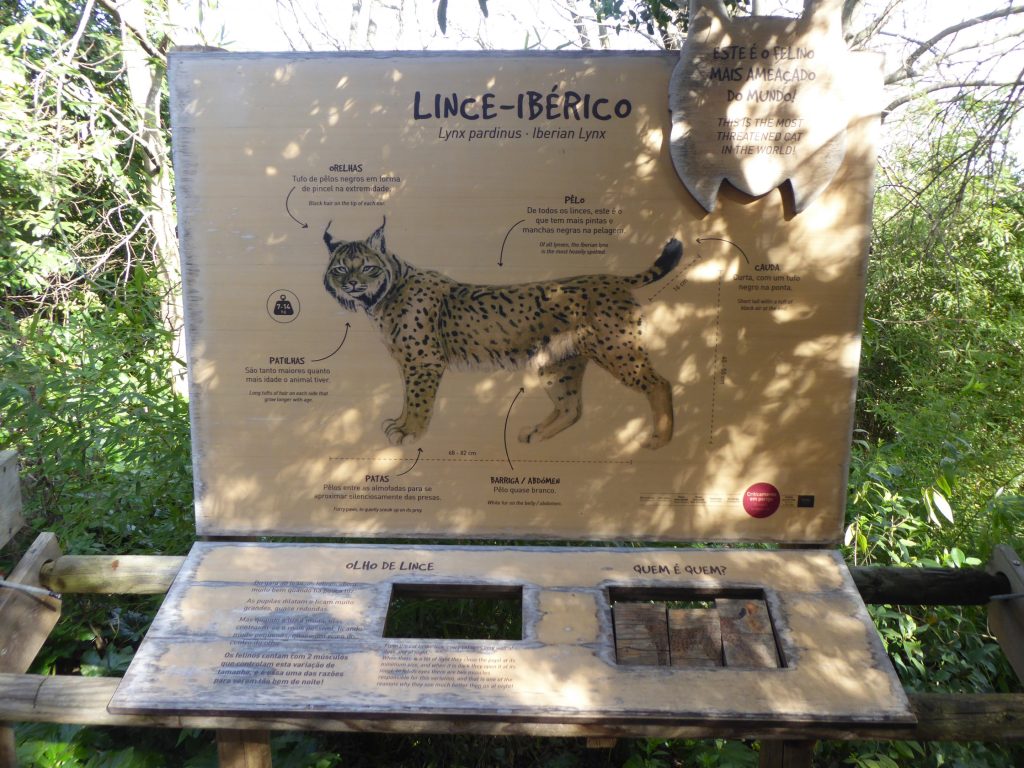
Dedicated to the Iberian lynx, this habitat recreates the Mediterranean landscape of the Portuguese montado with olive trees, oaks, and aromatic plants. It currently hosts Fábula and Drago, a pair of lynxes brought from national and Spanish breeding centres. Both serve as ambassadors for their species, helping raise awareness about the success of reintroduction efforts in Portugal and the importance of coexistence with local wildlife.
Lidl Children’s Farm
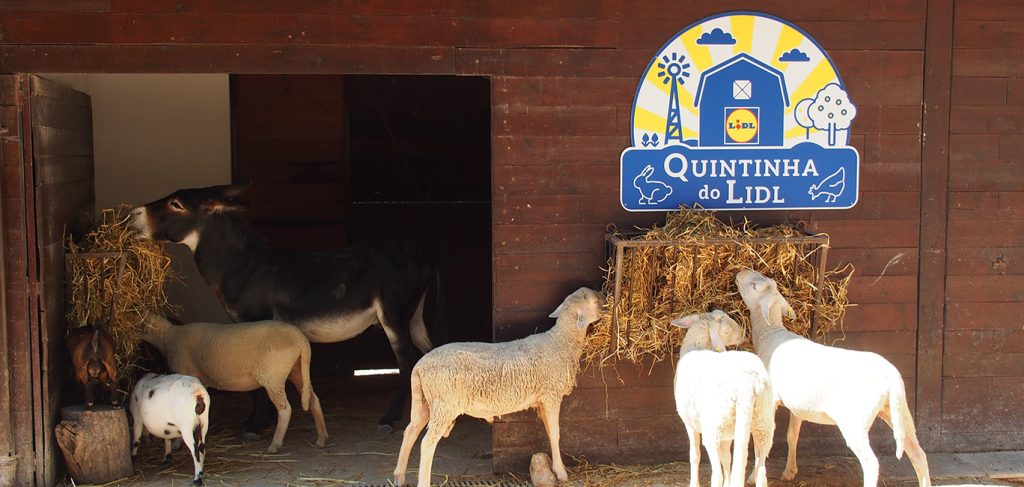
At the Children’s Farm, families can meet domestic animals like donkeys and rabbits, explore a vegetable garden with lemon trees, carrots, lettuces, and strawberries, and discover aromatic herbs such as oregano, basil, and rosemary. Transparent acrylic panels allow visitors to observe root growth underground, creating a playful and sensory learning experience for children.
Cable Car & Zoo Train
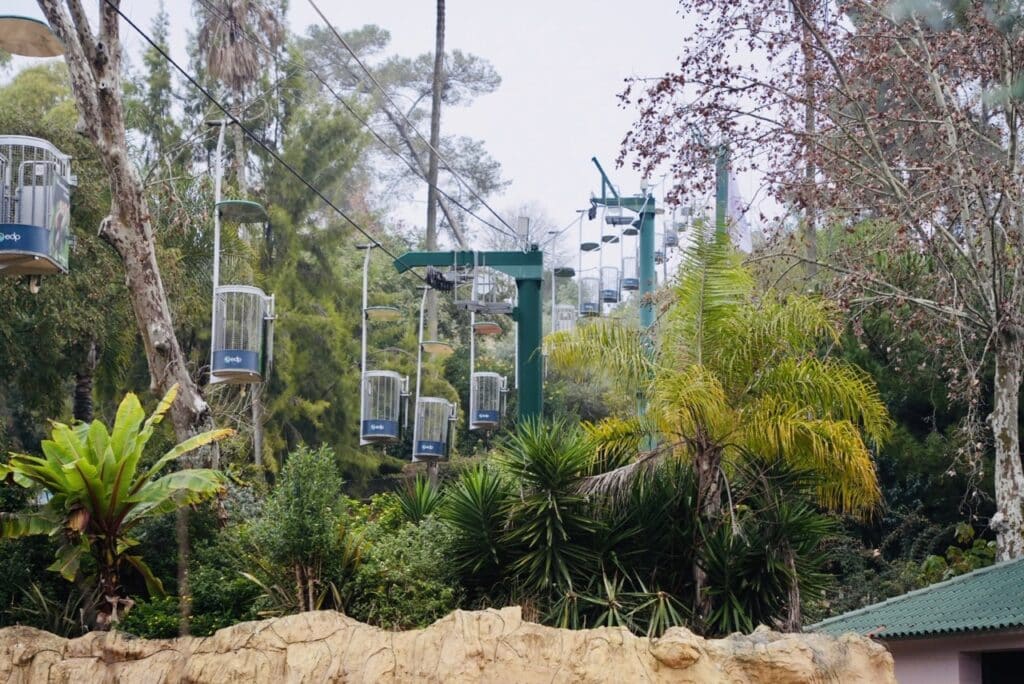
Enjoy a 20-minute cable car ride that offers a stunning bird’s-eye view of the entire zoo — from the African Savannah to Dolphin Bay.
The attraction does not operate during rain or strong winds, and children under 12 must be accompanied by an adult.
The cable car runs from 11:30 a.m. to 7:30 p.m. in summer and from 11:00 a.m. to 5:30 p.m. in winter, carrying up to 238 passengers at a time.
For a more relaxed journey on the ground, the Zoo Train connects the main zones — ideal for families with young children.
Activities
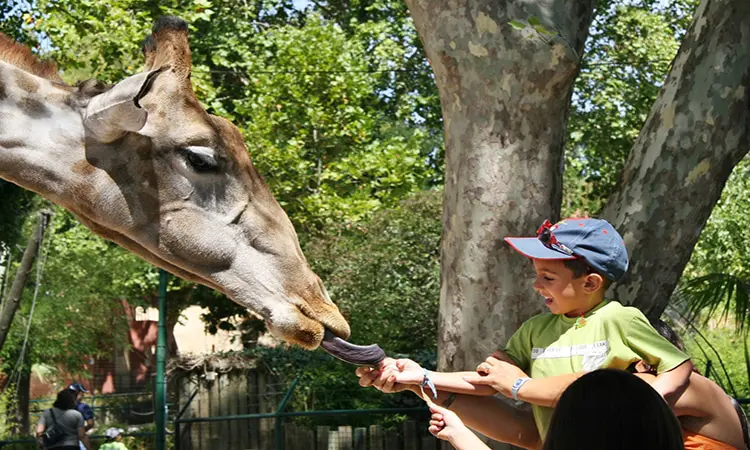
Lisbon Zoo offers a wide variety of presentations, workshops, and interactive experiences designed to connect visitors with wildlife in a fun and educational way.
Daily Presentations
Every day, visitors can attend captivating educational shows that bring them closer to the zoo’s most charismatic residents.
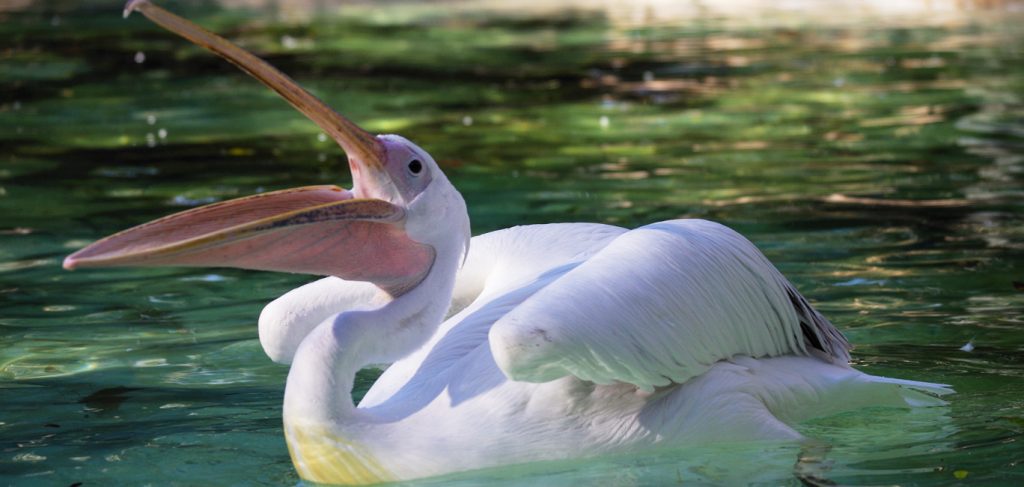
At the Dolphin Presentation, known as “Ambassadors of the Ocean,” guests discover the remarkable physical and mental abilities of dolphins while learning about marine conservation and the dangers of plastic pollution. The Pelican Feeding offers another fascinating moment, revealing the birds’ hunting and parenting techniques and the clever use of their large throat pouch.
Meanwhile, the Enchanted Forest Presentation unfolds in an open-air setting filled with tropical birds, raptors, and small mammals. Each performance highlights the richness of biodiversity and the delicate balance between predators and prey, with different animals appearing in rotation to ensure their comfort and well-being.
Interactive Experiences
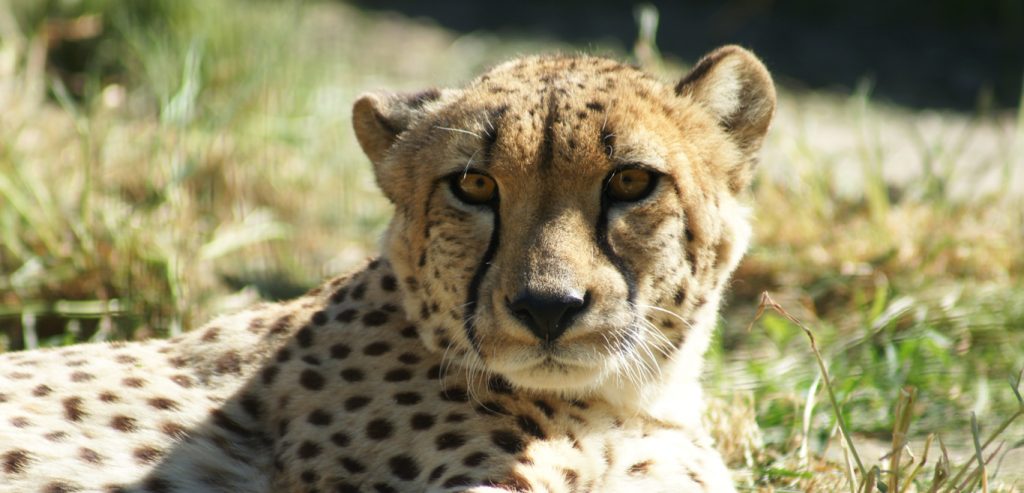
For younger visitors, the zoo’s ZooKids Workshops and Quizzes transform learning into adventure. Children can join themed challenges such as the Cheetah Quiz or the Lynx Challenge, combining fun, discovery, and environmental awareness.
Another highlight is the Rainbow Park, a vibrant aviary where families can meet and interact with friendly lorikeets in a colourful, safe environment — a perfect blend of education and excitement.
Educational & Seasonal Events
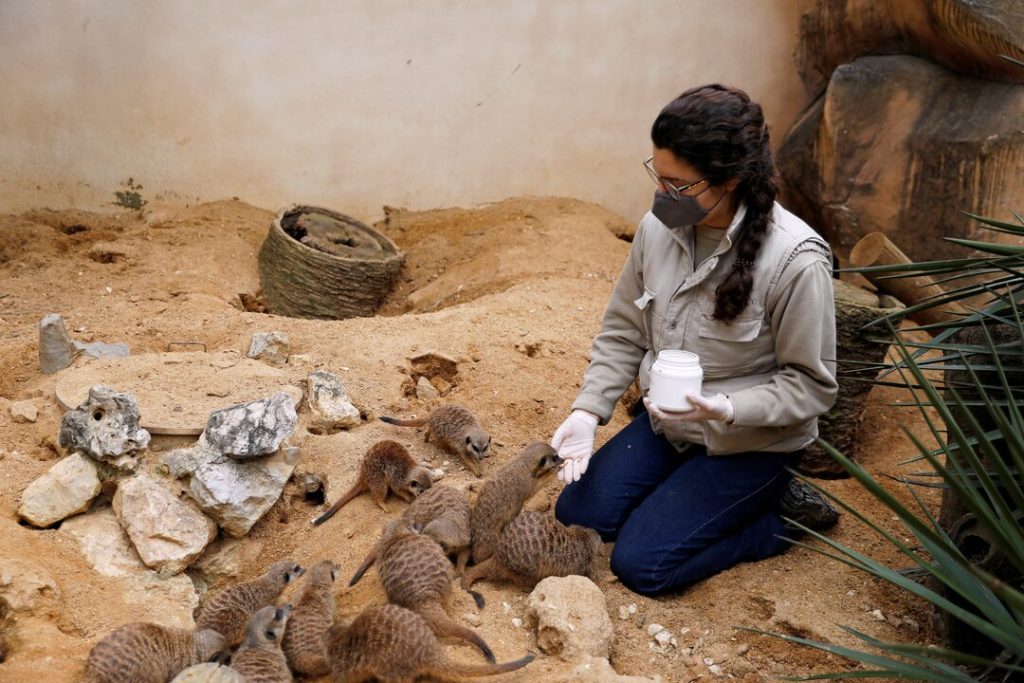
Throughout the year, the zoo organizes themed workshops, conservation days, and special events such as Zoo Nights and behind-the-scenes tours.
For those who want a deeper connection, the “Keeper for a Day” programme allows participants to assist the caretakers, prepare animal meals, and discover the zoo’s hidden side.
Sponsorship
At Lisbon Zoo, anyone can symbolically sponsor an animal, helping fund conservation, breeding, and research programs. Each contribution supports daily animal care and wider efforts to protect endangered species in their natural habitats.
Sponsors contribute directly to the zoo’s mission of preserving biodiversity and promoting awareness through education and science.
Catering
The zoo offers two picnic areas with tables and shaded spots, perfect for a lunch break during your visit.
There are also several restaurants and snack kiosks located around the park, providing convenient options for food and refreshments.
Visitors can stop by the gift shops near Dolphin Bay and at the main entrance to find souvenirs and items related to the zoo’s animals and conservation work.
Points to improve
Price
Admission can feel high for families, but the cost reflects the zoo’s commitment to animal welfare, conservation, and the maintenance of extensive facilities. Booking tickets online in advance often provides small discounts and helps avoid queues at the entrance.
CROWDs
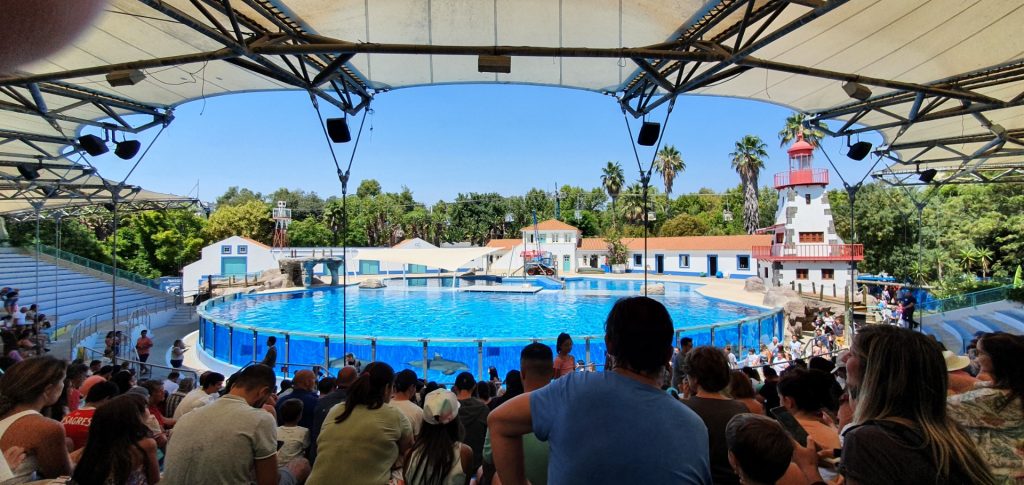
Popular areas such as Dolphin Bay and the Savana MEO elephant habitat attract large numbers of visitors, especially on weekends and holidays. Arriving early in the morning or visiting on weekdays ensures a calmer experience and easier movement around the park.
ACCESSIBILITY
While most paths are wide and easy to navigate, the cable car does not accommodate wheelchairs or strollers, and may not be suitable for visitors with vertigo or reduced mobility. The zoo could improve accessibility options for these guests in the future.
Animal VISIBILITY
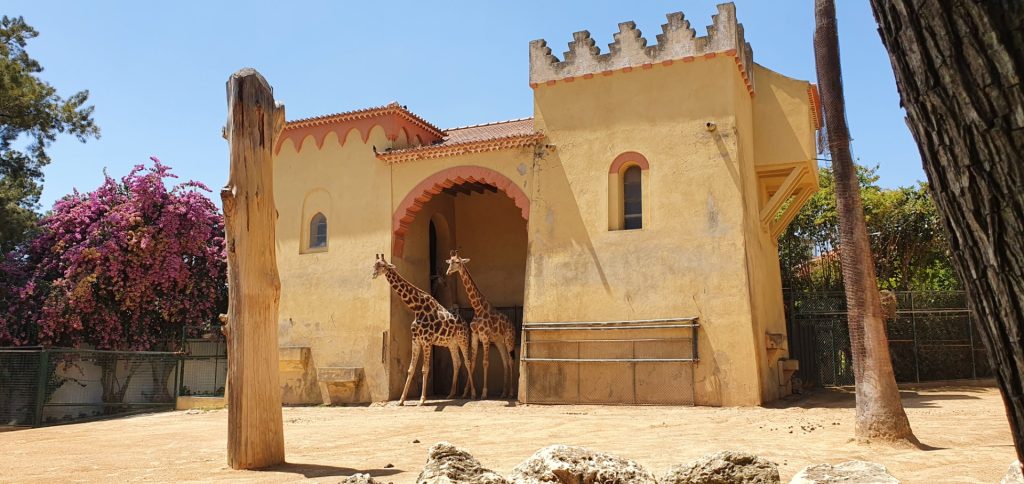
During the hottest or noisiest hours of the day, some animals may retreat to shaded areas. Patience and revisiting enclosures later often reward visitors with better sightings — a fair trade for the animals’ comfort and well-being.
LAYOUT & NAVIGATION
With many themed areas spread across the park — from the African Savannah to the Rainforest and the Primate Temple — the visit can feel a little disorienting for first-time guests. Using the official map or following a suggested route helps ensure a smooth, complete experience.